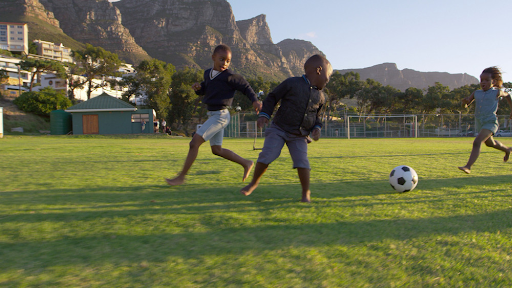
In today’s fast-paced world, the significance of outdoor play in early education often gets overshadowed by the rise of digital media and indoor activities. However, it’s crucial to remember that engaging with nature is an essential element of childhood development. This article explores why outdoor play is vital for young children and how it supports their growth in unique ways.
The Need for Proper Adult Supervision
When it comes to facilitating outdoor activities for young children, supervision is key. Proper supervision ensures safety while allowing children to explore and learn from their environment. The organization ZeroToThree highlights the importance of maintaining a low adult-to-child ratio, specifically recommending one adult for every four children under three years old. This guideline helps in providing focused attention and care to each child, thus enhancing their outdoor play experience.
Having more adults present during outdoor play can also foster better interactions among children. Adults act not just as caretakers but also as facilitators of play by providing guidance and encouragement. A one-to-four ratio allows adults to manage and mediate interactions, reducing conflicts and fostering collaboration. Moreover, adults can model appropriate behavior and teach children new ways to engage with their surroundings.
Furthermore, this recommended ratio plays a crucial role in managing activities that large groups might engage with, such as storytelling or nature walks. With adequate supervision, children can explore their home and outdoor environments safely, possibly even discovering new interests and developing a lifelong love for the outdoors.
Nature’s Influence on the Senses
The natural world offers a rich tapestry of experiences that stimulate the senses. Engaging with nature allows children to develop their sensory perception in an unstructured and organic manner. According to the National Library of Medicine, the benefits individuals receive from interacting with nature are often experienced through their five senses. Outdoor play not only enhances sensory development but also fosters a greater appreciation for the environment.
By playing outside, children encounter various textures, colors, and sounds that can’t be replicated indoors. This sensory engagement can improve their cognitive abilities and enhance their emotional well-being. For instance, feeling the roughness of bark or the softness of grass allows children to develop tactile awareness, while hearing the rustle of leaves or the songs of birds can refine their auditory skills.
Moreover, these sensory experiences can inspire creativity and curiosity. Children who are regularly exposed to nature often exhibit a greater willingness to explore and ask questions. This innate curiosity can be a driving force in their cognitive development, setting a foundation for lifelong learning and an inquisitive mind.
Physical Activity for Healthy Development
Physical movement is a primary component of outdoor play that significantly contributes to a child’s overall development. Engaging in various physical activities strengthens muscles, improves coordination, and boosts cardiovascular health. The National Institutes of Health recommends that children aged 3 to 4 should engage in at least 180 minutes of physical activity of varied intensities throughout the day. This recommendation underscores the importance of physical play in supporting a healthy lifestyle from an early age.
The outdoors provides a dynamic environment where children can run, jump, and climb, activities that contribute to their physical fitness. Unlike the sedentary nature of many indoor activities, being outdoors encourages children to be active, ultimately promoting better health outcomes. Importantly, these activities can also enhance a child’s confidence and self-esteem as they learn to master new skills.
Regular outdoor play supports healthy development both physically and mentally. The movement and exercise involved help in reducing the risk of childhood obesity, while also providing mental health benefits by reducing anxiety and stress. Overall, the combination of physical activity, sensory stimulation, and guided play transforms the experience into a comprehensive development tool for young children, suitable for their home life and beyond.
The value of outdoor play in early education cannot be overstated. It fosters development across multiple domains, including physical, sensory, and social skills. By following established guidelines for adult supervision and encouraging regular interaction with nature, caregivers can create enriching experiences for children that lay the groundwork for a healthy and active lifestyle.