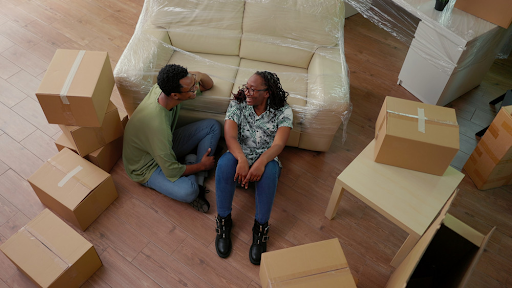
Moving to a new home can be one of life’s most exciting and stressful experiences. Whether you’re moving across town or to an entirely new city, preparing yourself adequately can make a significant difference. This article will guide you through essential steps and thought processes that could transform this inevitable life phase into an opportunity for home improvement and personal growth.
Preparing for the Packing Process
The packing process requires strategic planning and timely execution to ensure a smooth transition to your new home. It’s crucial to start packing well in advance, segmenting tasks into manageable sections. According to Today’s Homeowner, packing an average household for a move typically takes about 13 hours. When tackling this task, be mindful to collect essential packing materials such as boxes, tape, and bubble wrap. Only pack and transport items that hold value to you, ensuring every piece has a place and purpose in your next home. Initiating donation and recycling can be a fulfilling task during this process. Moreover, categorizing items by their intended rooms could save you time and effort during both packing and unpacking.
Amidst packing, remember to label boxes clearly with their contents and the destination room in the new house. This step enhances convenience and efficiency when you’re unpacking. Careful labeling ensures that moving professionals can place each box in the correct room swiftly on moving day. Indeed, proper labeling is a small yet significant part of home improvement.
Deciding on Professional Moving Services
The choice between hiring professional movers and conducting a DIY move is pivotal. According to HomeAdvisor, over 60% of consumers opt for professional services, valuing the convenience and expertise they provide. Professional moving services often include packing assistance, transporting goods safely, and even unpacking, providing a comprehensive solution for busy individuals.
For those prioritizing peace of mind and the safety of their belongings, hiring experienced movers can be an invaluable investment. Professional movers are adept at handling fragile items, effectively reducing the risk of damage. Remember that relocating provides a perfect opportunity to assess the necessity of items, possibly reducing the load for movers while embracing minimalism and effective home improvement strategies.
However, if you decide to undertake the move without professional help, ensure you have ample assistance and proper equipment. Collaborate with family and friends, schedule vehicle rentals in advance, and prepare for potential challenges. This proactive approach could enhance your moving experience, blending elements of home improvement with personal ingenuity.
Timing Your Move Responsibly
Understanding the timing of your move can heavily influence its complexity and cost. Peak moving season occurs between May and September, during which over 60% of all relocations take place, as noted by Move.org. Moving during this period can mean higher costs and reduced availability of professional services.
However, relocating during off-peak months could lead to substantial cost savings and better service availability. If timing is flexible, consider scheduling your move during less busy times. This strategic timing not only saves on expenses but can also positively impact the overall efficiency of your home improvement projects post-move. For homeowners who are time-bound during peak relocation periods, preparation and proactivity are essential. Booking services well in advance and staying organized can mitigate seasonal drawbacks. Though timing may be a challenge, keeping a meticulously organized schedule can ensure a smoother home transition.
In conclusion, preparing yourself for a move involves meticulous planning, informed decision-making, and strategic timing. With the incorporation of home improvement practices and thoughtful execution of moving plans, relocating can be a rewarding experience rather than a daunting task. Whether you choose to hire professionals or to handle everything independently, being prepared and organized is key to achieving a seamless transition to your new home.