When revenue depends on open doors and on-time deliveries, maintenance is not optional. The most effective repair strategy targets the systems that touch customers, staff, and cash flow every day. Focus on reliability, safety, and speed to resolution, and you will protect both uptime and reputation. The six repair areas below prioritize essentials you can schedule ahead of failures and handle quickly when the unexpected happens.
Fix Leaks and Keep Water Moving
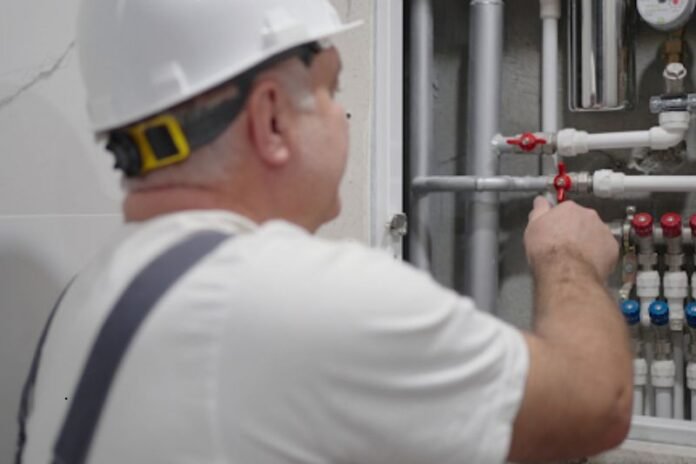
Plumbing problems stop work, damage inventory, and close restrooms that employees and customers rely on. Build a routine of inspecting shutoff valves, traps, supply lines, and floor drains, and keep critical parts on hand for common fixtures. According to Gitnux, the United States had roughly 530,600 plumbing businesses in 2021, which means qualified help is plentiful if you line up vendors before emergencies. Clear response expectations and access instructions will shorten time to repair and limit water damage.
Maintain HVAC for Comfort and Stability
Heating and cooling set the tone for productivity and customer comfort. Schedule filter changes, coil cleaning, and belt checks, and verify thermostats are calibrated. A predictable maintenance plan reduces short cycling, keeps humidity under control, and lowers energy use during peak seasons. If you operate kitchens or server rooms, consider sensors that alert you when temperatures drift so you can act before products spoil or equipment overheats.
Protect Power With Electrical Repairs and Upgrades
Electrical issues can be subtle until they are not. Warm outlets, flickering lights, nuisance trips, or buzzing panels hint at overloaded circuits or failing components. Have a licensed electrician tighten lugs, test breakers, and review panel capacity against your current load. Adding dedicated circuits for high-demand equipment and verifying grounding and bonding can prevent outages, protect sensitive electronics, and meet code for inspections and insurance renewals.
Keep Commercial Appliances and Refrigeration Online
From restaurants to laundries to healthcare facilities, appliances are the backbone of service. Build a log of serial numbers, warranty terms, and parts that fail most often so techs can arrive prepared. According to IBISWorld, there are more than 36,000 appliance repair businesses in the United States, so you can usually secure specialized help for ovens, ice makers, reach-ins, and washers if you maintain relationships with a few reliable vendors. Preventive cleanings and gasket checks reduce surprise failures and protect inventory.
Secure Smooth Access With Doors and Entry Systems
Customers and deliveries need predictable access. Inspect storefront doors, closers, hinges, and thresholds for alignment and wear. For overhead or loading dock doors, test safety sensors, balance springs, and check weather seals so conditioned air and pests stay out. Keep spare remotes, keycards, and batteries on site, and document who to call for same-day repairs. Smooth entry points speed service, improve safety, and protect climate control, which all feed into a better customer experience.
Keep Vehicles and Fleet Assets Roadworthy
If your business depends on service vans, box trucks, or transport vehicles, uptime on wheels is as important as uptime inside the building. Standardize oil changes, tire rotations, brake inspections, and alignment checks on a mileage schedule, and record every repair to spot patterns. According to IBISWorld, as of 2023 the United States had 55,614 truck repair businesses, so establishing a primary shop and a backup near your routes will reduce tow distances and downtime. Stock common parts and fluids at your facility to handle small fixes between visits.
Build a Fast, Repeatable Response Playbook
Repairs should not start from scratch each time. Create a simple playbook with vendor contacts, preferred parts lists, equipment locations, and after-hours procedures. Train staff to recognize early warning signs and to safely isolate problem areas with shutoffs or breakers. A clear escalation path saves minutes, and minutes matter when water is spreading or refrigeration is warming.
Use Data to Prioritize What Prevents Disruption
Track service calls, costs, and hours lost by category. If a cooler fails twice a quarter or a dock door causes repeated delays, the data will justify a replacement budget. Simple metrics like mean time between failures and first-time fix rate will guide where to invest in training, spares, or upgraded equipment. When you measure what breaks, you learn where to prevent it.
Align Repairs With Customer Promises
Maintenance is not only about equipment; it is about keeping your word. Schedule disruptive work during low-traffic windows and communicate downtime early. Offer alternatives, like curbside pickup or temporary entrances, when repairs affect the front door. Small conveniences keep transactions smooth and show that you respect customers’ time.
Well-planned repairs are a competitive advantage. By focusing on plumbing, HVAC, electrical, appliances, access systems, and fleet health, you protect the assets that keep money moving and people safe. Line up the right experts, build a clear playbook, and monitor the data that shows where to act next. The payoff is simple: fewer surprises, steadier operations, and more confidence every single day.