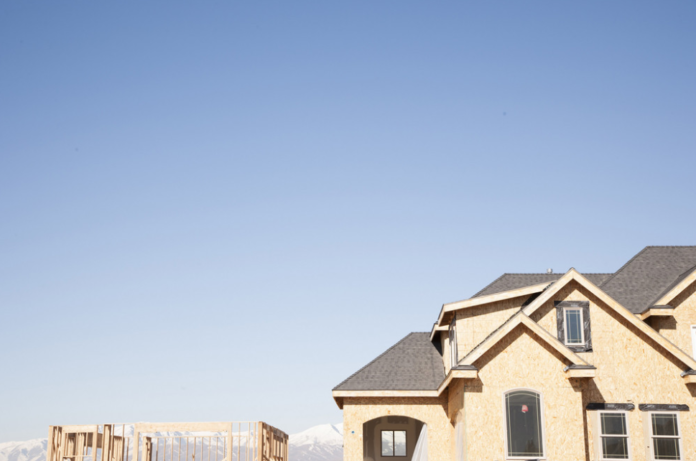
Building a custom home gives you the opportunity to shape a space around the way you want to live. Every room, finish, system, and feature can be selected with comfort, durability, and long-term value in mind. At the same time, custom construction involves many moving parts, from permits to material deliveries. A clear plan helps the project stay organized and reduces costly surprises.
Start with a Detailed Plan
A successful custom home begins with decisions made before construction starts. Homeowners should work through layout priorities, storage needs, room sizes, traffic flow, outdoor access, and future lifestyle changes. The more specific the plan is early on, the easier it becomes for builders and trade professionals to price the work accurately. Clear planning also helps prevent rushed changes once framing, wiring, plumbing, or finish work is underway.
Choose Features with Long-Term Value
Some selections influence both daily comfort and future resale appeal. Windows are a good example because they affect natural light, ventilation, energy performance, and curb appeal. According to Consumer Reports, vinyl windows ranked among the top eight home improvement projects for return on investment in 2023. That makes window selection worth careful consideration during a custom build rather than treating it as a minor finish decision.
Long-term value should also guide choices such as flooring, cabinetry, roofing, siding, insulation, and fixtures. Homeowners do not always need the most expensive option, but they should understand how each material will perform over time. A lower upfront cost may not be best if the product wears quickly. Durable selections help the finished home feel easier to maintain.
Coordinate Access and Equipment Early
Custom home construction often requires equipment that is not part of a typical small renovation. Deliveries, trusses, beams, roofing supplies, windows, and upper-level components all need safe access. According to Bob Vila, cranes are useful for a home addition or third-floor renovation because they can extend about 42 feet, which is enough to reach the upper floors of most homes. Planning this equipment early helps prevent delays when heavy materials need to be placed.
Site access should be reviewed before major work begins. Driveways, trees, power lines, neighboring properties, and narrow streets can all affect how crews move around the property. Builders may need to coordinate delivery windows, storage areas, and staging zones. Good access planning keeps the jobsite safer and helps each phase move efficiently.
Prioritize Comfort Systems
Heating, cooling, ventilation, plumbing, and electrical systems should be designed around the home’s layout and how each area will be used. A beautiful floor plan can become uncomfortable if bedrooms overheat, bathrooms lack ventilation, or living spaces have uneven airflow. According to the U.S. Department of Energy, 88% of U.S. homes have air conditioning, showing how common cooling needs are across the country. For a custom home, that demand makes HVAC planning central.
Comfort systems should be discussed before walls are closed. Duct placement, thermostat locations, insulation levels, window orientation, and appliance loads can all affect performance. Homeowners should ask how the system will serve different rooms and whether any areas need special attention. Thoughtful planning can improve comfort while helping the home operate efficiently.
Keep Communication Consistent
A custom home project depends on steady communication among the homeowner, builder, designer, and specialty trades. Regular updates help everyone understand what has been approved, what still needs a decision, and what may affect the schedule. Homeowners should keep written records of changes, selections, allowances, and deadlines. This reduces confusion when many details are being handled at once.
It is also helpful to set a process for decision-making. Some choices need to be made weeks before they appear on-site because materials must be ordered or fabricated. Delayed decisions can affect the schedule and limit options. When communication is consistent, the project is easier to manage from foundation work through the final walkthrough.
Completing a custom home construction project takes patience, planning, and careful coordination. Homeowners can make the process smoother by defining priorities early, selecting durable materials, planning site access, designing comfort systems thoughtfully, and communicating consistently. A custom home should reflect personal preferences, but it should also function well for daily life.